The single most common reason a garden fails is planting the right thing at the wrong time, or the wrong thing for the climate. Before you buy a single seed, learn two things about where you live: your USDA hardiness zone and your average frost dates. Everything else follows from those.
Find your zone
The USDA hardiness zone is based on your average coldest winter temperature. It tells you what perennials will survive your winter. It does not tell you about summer heat — which in Texas is the bigger limiting factor — so treat it as half the picture.
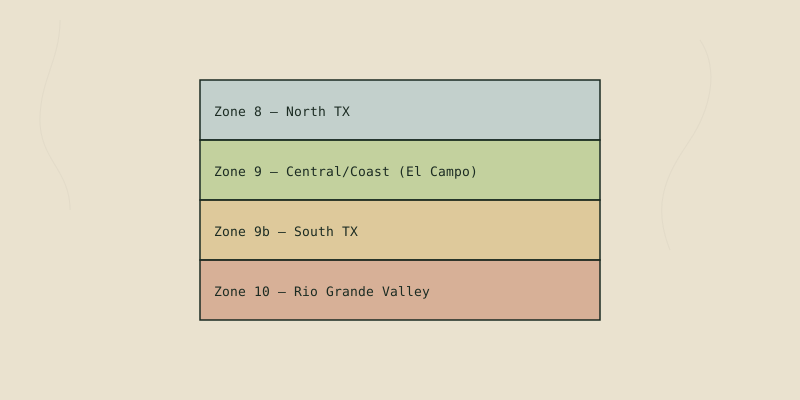
| Texas region | Approx. zone | Character |
|---|---|---|
| Panhandle / North | 7–8 | Real winters, shorter season |
| Central / Hill Country | 8 | Hot summers, mild winters |
| Gulf Coast (El Campo) | 9a | Humid, long season, rare freezes |
| Deep South / Valley | 9b–10 | Nearly frost-free, brutal summers |
The two-season Texas reality
Up north people garden in one long summer push. On the Gulf Coast we really have two gardens: a spring garden that races to beat the summer heat, and a fall garden that's often better than spring because pests die back and greens love the cooling weather. The brutal middle of summer is for heat-lovers and shade cloth.
What actually thrives here
Spring (set out after last frost, ~mid-March here):
- Tomatoes (choose heat-set varieties), peppers, eggplant
- Squash, cucumbers, beans
- Basil and warm-season herbs
Summer (the survivors):
- Okra — loves the heat and won't quit
- Southern peas (black-eyed, crowder)
- Sweet potatoes, Malabar spinach, hot peppers
Fall (sow late summer into fall — my favorite season):
- Greens: kale, collards, mustard, lettuce
- Brassicas: broccoli, cabbage, cauliflower
- Root crops: carrots, beets, radish, turnip
- Cilantro and dill, which bolt instantly in spring heat but thrive in cool
Microclimates: your yard isn't one zone
A south-facing wall is a heat trap that'll ripen peppers early. A low spot collects cold air and frost. The east side of the house gets gentle morning sun; the west side gets brutal afternoon heat. Watch your own yard for a season and you'll find spots that beat your zone in both directions.
Written by Jordan Polasek, founder of Texas Roots, from his greenhouse in El Campo, Texas. Free to share. If this helped, the best thanks is to grow something or pass it along.