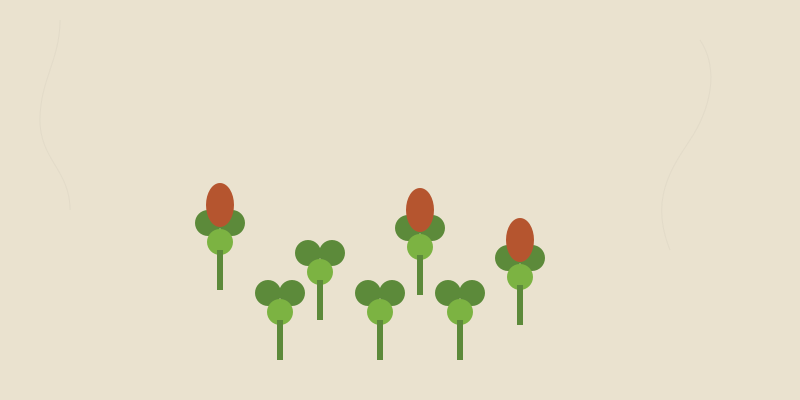
Free fertilizer from the air
Legumes like crimson clover host bacteria on their roots that pull nitrogen out of the atmosphere and lock it into the soil. Grow it over winter on an empty bed, then cut it down before it sets seed and let it break down in place — you've just fertilized that bed for free and added organic matter at the same time. This is the heart of building soil instead of buying it.
Bonus: it feeds the bees
The deep crimson blooms are a magnet for pollinators in early spring, so a winter cover of clover also primes your garden's pollinator population right before the growing season.
🔎 How to identify it
- Classic three-part clover leaflets
- Striking elongated crimson-red flower heads (not round like white clover)
- Low spreading habit, soft-hairy stems
⚠ Lookalikes & safety
All legumes, all soil-friendly, none dangerous. Crimson clover's deep-red elongated bloom is the tell.
Not for eating
How to grow & propagate crimson clover
Everything I've worked out about starting this one, keeping it alive through a Texas year, and turning one plant into many — free.
How to propagate crimson clover
Legumes resent transplanting — that taproot wants to go straight down — so sow them right where they'll grow once the soil has warmed. Soak hard-coated seed overnight to speed germination. As a bonus, this whole family pulls nitrogen out of the air and banks it in the soil, so wherever you grow them you're feeding next season's crop.
Growing crimson clover in Texas
Give it full sun and most; improves as it grows soil. Match the spot to the plant and most of the battle is already won.
This is a cool-season crop. On the Texas Gulf Coast that means your real windows are fall and late winter, not summer — sow as the heat breaks in September–October and again in late winter, and you'll harvest through our mild winters while the rest of the country is frozen out.
Keep moisture even, especially while it's young — deep, less-frequent soaks build better roots than a daily sprinkle.
Harvesting
Figure on roughly terminate at bloom before you're harvesting.
Making more for free
If you want more, let your healthiest plants mature fully and collect the seed once it's dry on the plant — then store it somewhere cool, dark, and dry until next season.
Part of the free Texas Roots plant database, compiled by Jordan Polasek from his greenhouse in El Campo, Texas. Free to read and share. If it helped, the best thanks is to grow something.