What it is
Blackberry (Rubus species) is in the Rosaceae (Rose) family. Thornless varieties make this nearly foolproof in Texas. Fruit comes on second-year canes, so prune accordingly.
How to grow it
It wants full sun, water it moderate, and give it well-drained soil. Target a soil pH around 5.5–6.5. Space plants about 3–4 ft apart. Expect roughly 2nd-year canes bear. Hardy perennial cane.
How it's used
Blackberry is used: fresh, jam, frozen, cobbler.
🔎 How to identify it
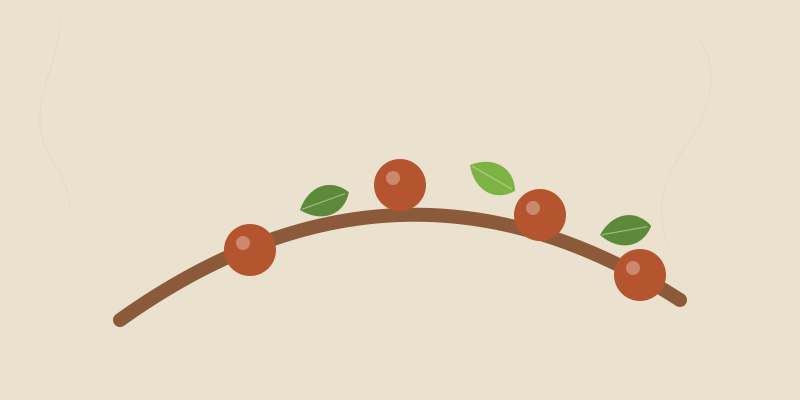
- Arching thorny or thornless canes
- Compound leaves, white-backed
- White/pink five-petal flowers
Edibility
PartsRipe fruit
UsesFresh, jam, frozen, cobbler
CautionWatch for toxic pokeweed nearby — see lookalikes.
🌤 Before you plant: check the live 7-day garden weather to time it right for frost and heat.
Part of the free Texas Roots plant database, compiled by Jordan Polasek from his greenhouse in El Campo, Texas. Free to read and share. If it helped, the best thanks is to grow something.